
Wildfire Smoke and Poor Air Quality: Home Support for Older Adults
Wildfire smoke and poor air quality can disrupt familiar routines for older adults and their families. This calm, practical guide explains how to adjust errands, create a more comfortable indoor day, maintain meals and companionship, and know when to seek health guidance.
INFORMATIVE
Erlyn A. Pinkston
7/12/20264 min read
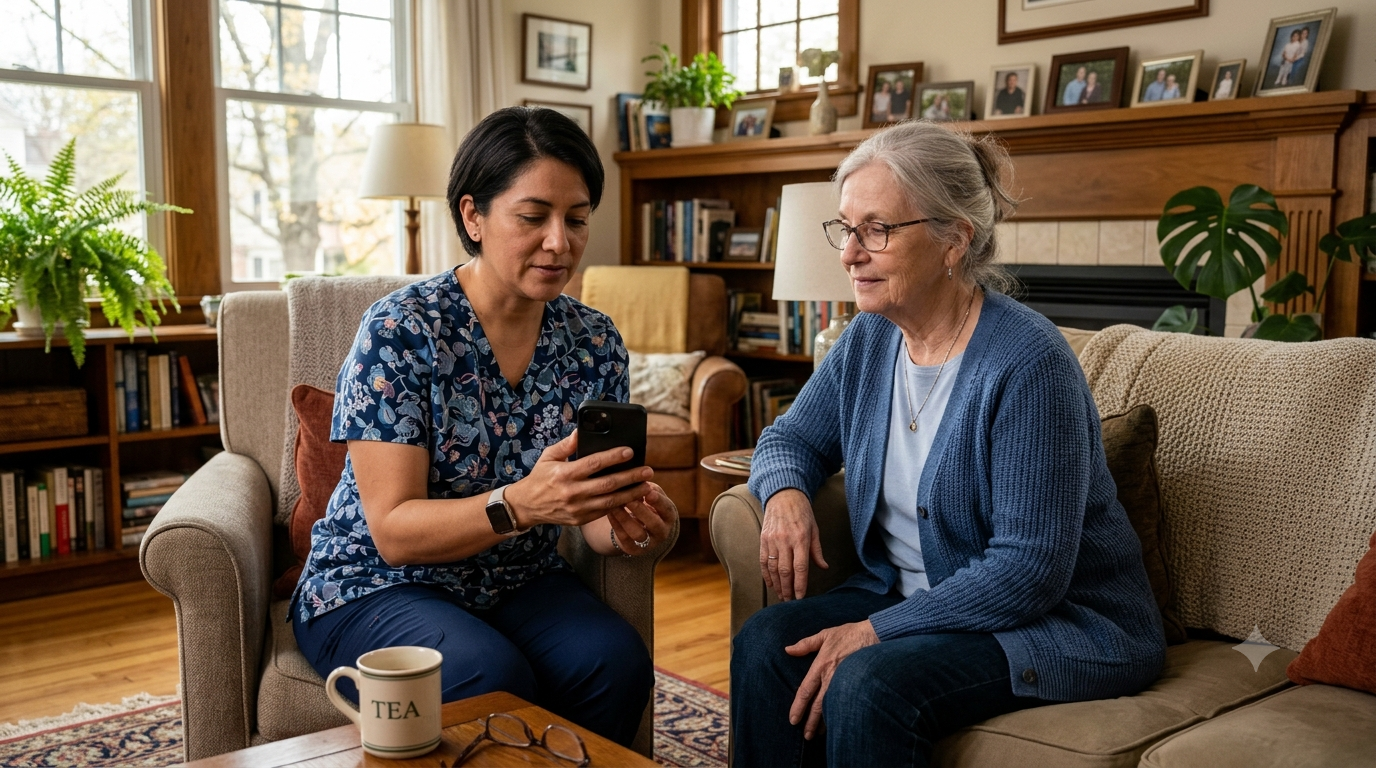
California families are accustomed to watching the weather during the summer. Increasingly, they may also need to pay attention to local air-quality conditions.
A smoky or poor-air-quality day does not always require dramatic changes. In many cases, it simply means adjusting the day’s routine, spending more time indoors, and making sure an aging parent has what they need at home.
For adult children who live or work some distance away, these changes can create additional questions.
Has Mom seen the local advisory? Does Dad still plan to go outside for his usual walk? Are the windows open? Does he have groceries and water nearby? Will he be alone for most of the day?
A simple plan can reduce that uncertainty.
Check Conditions Before Planning the Day
Air quality can vary from one location to another and may change throughout the day.
Families can check trusted local air-quality information before deciding whether to keep outdoor plans, move errands to another time, or spend the day indoors.
It can also help to make checking conditions part of the normal summer routine rather than waiting until the sky looks smoky.
A brief morning check may guide decisions about:
Outdoor walks
Gardening
Grocery trips
Appointments
Open windows and doors
Time spent on patios or porches
The goal is not to make an older adult feel confined. It is to help the family make thoughtful choices based on current local conditions.
Create a Comfortable Indoor Space
When public guidance recommends remaining indoors, the home should still feel pleasant and familiar.
Families can help by making sure commonly used rooms are comfortable, uncluttered, and supplied with everyday essentials.
Depending on the home and local recommendations, this may include:
Closing doors and windows
Using available cooling or air-filtration systems correctly
Keeping drinking water within easy reach
Placing a phone, charger, and important contact numbers nearby
Preparing a comfortable chair and activity area
Limiting unnecessary trips in and out of the home
Some older adults may not notice changes in air quality immediately, especially when they are focused on maintaining their usual routine. A calm reminder can be more effective than a forceful warning.
For example:
“The air quality is not as good today, so let’s move your walk to another day and find something comfortable to do inside.”
This language protects choice while still providing guidance.
Adjust Errands Instead of Letting the Day Become Stressful
A poor-air-quality day can be especially frustrating when an older adult has planned grocery shopping, a pharmacy visit, or another routine outing.
Whenever possible, families can move non-urgent errands or ask someone else to complete them.
Practical alternatives may include:
Ordering groceries for delivery
Asking a relative or caregiver to pick up household items
Rescheduling a non-urgent outdoor activity
Combining future errands to reduce unnecessary trips
Checking whether an appointment can be moved or handled differently
The purpose is not to cancel every activity. It is to avoid making the senior choose between completing an essential task and following local health guidance.
Keep Meals and Hydration Simple
Changes in routine can affect eating and drinking habits.
An older adult who usually goes out for lunch, shops daily, or prepares food at a particular time may need a little extra support when staying indoors.
Families can prepare easy, familiar options such as:
Sandwiches or wraps
Cut fruit
Soup prepared in advance
Simple salads
Yogurt or other preferred snacks
Ready-to-heat meals
A filled water bottle or pitcher placed nearby
Meal support can also provide structure to the day.
Rather than simply reminding a parent to eat, someone can prepare lunch, sit with them during the meal, and make the indoor day feel less disrupted.
Plan for Connection During Longer Indoor Hours
Remaining indoors may be physically practical, but it can also make the day feel unusually quiet.
This is especially true for seniors who are accustomed to walking outside, visiting neighbors, attending community activities, or completing errands independently.
A little companionship can make a meaningful difference.
Indoor activities should reflect the senior’s interests rather than feeling like a generic attempt to keep them busy.
Possibilities might include:
Looking through family photographs
Watching a favorite program together
Preparing a familiar recipe
Calling a relative or friend
Working on a puzzle
Listening to music
Organizing a small household area together
Playing cards or another preferred game
The goal is not to fill every moment. It is to make the day feel connected and purposeful.
Prepare for Schedule Changes Before They Happen
Families often feel most stressed when they must change plans at the last minute.
A basic poor-air-quality plan can answer a few important questions in advance:
Who will check local conditions?
Who will call the senior?
Who can help if errands need to be completed?
Are easy meals already available?
Is there someone who can provide companionship?
Does the family know the senior’s preferred indoor routine?
Are important contact numbers accessible?
This does not need to become a complicated emergency plan. A short written note or family message can be enough.
Consistency matters more than complexity.
Understand the Role of Non-Medical In-Home Support
Non-medical caregivers do not diagnose health conditions or replace advice from a physician.
Their role may include helping an older adult maintain a safe, comfortable daily routine when outside plans change.
Support may involve:
Preparing meals
Providing water and routine reminders
Completing essential errands
Offering companionship
Helping with light housekeeping
Supporting comfortable movement around the home
Communicating completed tasks to the family
If an older adult develops new or concerning physical symptoms, the family should follow the person’s established medical guidance and contact an appropriate healthcare professional.
Clear boundaries help families understand when the need is practical and when it requires medical attention.
A Changed Day Can Still Be a Good Day
Poor air quality may require an older adult to stay home, postpone plans, or accept help with a task they would normally complete independently.
That does not mean the day has to feel alarming or restrictive.
With a few thoughtful adjustments, families can protect comfort, maintain familiar routines, and help an aging parent feel supported rather than managed.
Preparation does not need to begin with fear.
It can begin with a simple question:
What would help today feel comfortable and steady at home?
Unique Quality Care provides compassionate non-medical support for older adults whose routines may need to change during California’s warmer and smokier months. Families can begin by discussing the practical tasks that would help their loved one feel most comfortable at home.

Our Links
Mailing Address
P.O. Box 115 Garden Grove
CA 92842-115