
What Non-Medical In-Home Care Can and Cannot Do
Wondering what non-medical in-home care includes? Learn what caregivers can help with, what they cannot provide, and how this kind of support helps seniors stay comfortable and independent at home.
INFORMATIVE
Erlyn A. Pinkston
6/1/20263 min read
When families first begin exploring care options, one of the biggest questions is often also one of the simplest:
What exactly does non-medical in-home care do?
It is a very important question, especially when you are trying to make the best decision for a parent or loved one. Many families know they need support, but they are not always sure what kind of support fits their situation.
Understanding what non-medical in-home care can and cannot do helps families move forward with more clarity and confidence.
What Non-Medical In-Home Care Is
Non-medical in-home care is designed to support seniors with daily living needs while allowing them to remain in the comfort of their home.
This type of care focuses on practical assistance, companionship, routine support, and help with everyday activities. It is often a good fit for older adults who do not need medical treatment at home but would benefit from reliable support and supervision in daily life.
In many cases, non-medical care helps families bridge the gap between occasional family check-ins and the consistent support a loved one may now need.
What Non-Medical In-Home Care Can Do
Depending on the needs of the senior, non-medical in-home care may include support such as:
Companionship
A caregiver can spend meaningful time with a senior through conversation, shared activities, or simply being a steady presence during the day. This kind of support can help reduce loneliness and create more structure and connection.
Meal Preparation and Mealtime Support
Caregivers can help prepare simple meals, encourage regular eating, and support hydration throughout the day. This is especially helpful for seniors who have lost interest in cooking or are skipping meals because daily tasks feel tiring.
Light Housekeeping
Support may include light tidying, laundry, dishwashing, and helping keep everyday spaces manageable and comfortable.
Personal Care Assistance
Non-medical caregivers may help with daily personal care needs such as bathing, dressing, grooming, toileting, and hygiene support, depending on the senior’s needs and the service plan.
Mobility and Transfer Support
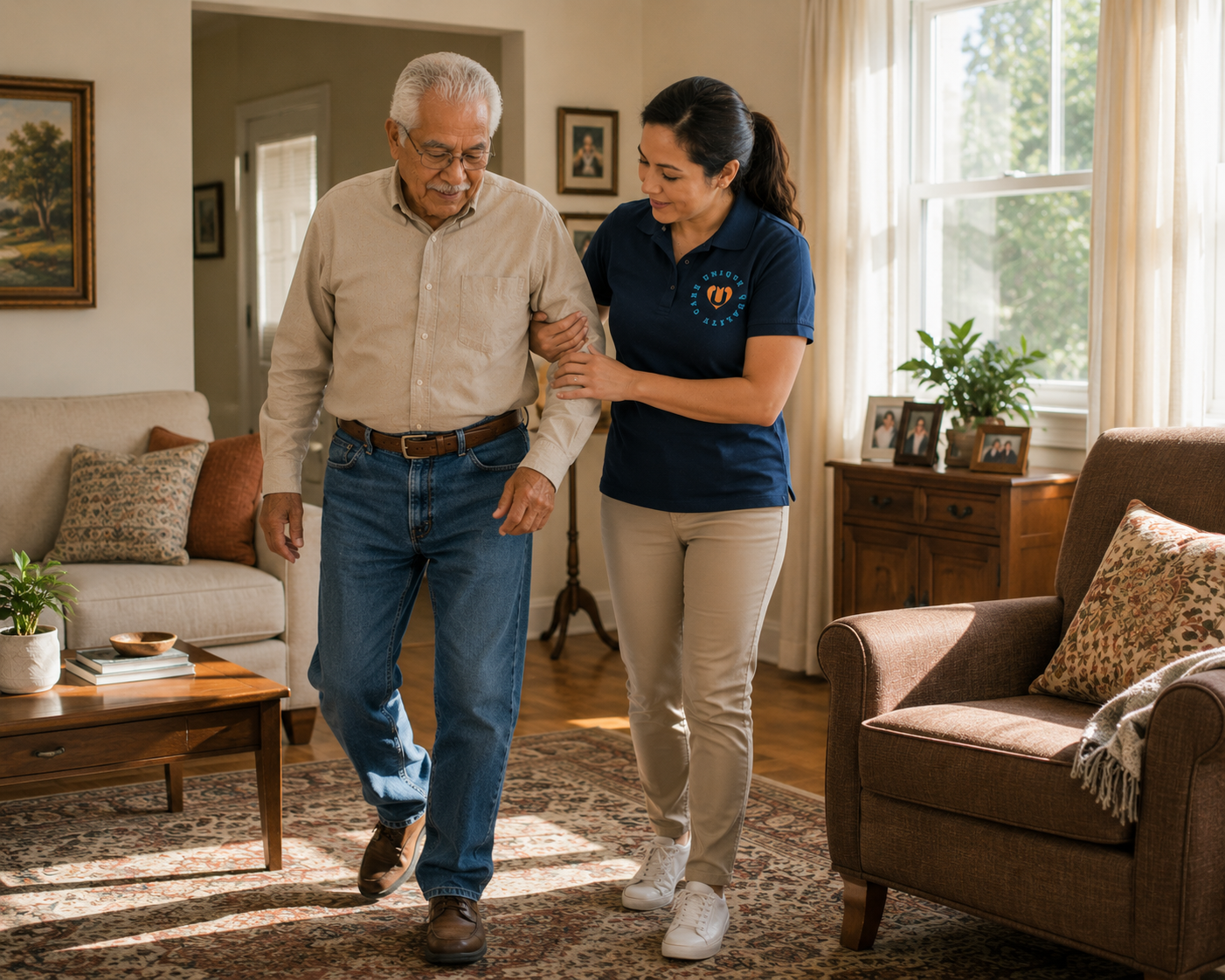
Caregivers can assist with walking, moving safely around the home, and helping seniors get in and out of bed or chairs when appropriate, within the scope of care.
Medication Reminders
A caregiver can remind a senior when it is time to take medication, helping support a more consistent routine.
Transportation and Errands
Some care plans may include help with errands, grocery shopping, or transportation to appointments and activities, depending on the service arrangement.
Family Peace of Mind
One of the most valuable things care providers offer is not only support for the senior but also reassurance for the family. Knowing that someone dependable is there can reduce daily worry and help families feel less overwhelmed.
What Non-Medical In-Home Care Cannot Do
It is just as important to understand the limits of non-medical care.
Non-medical in-home caregivers do not replace nurses, doctors, or other licensed medical professionals. Their role is not to provide medical treatment.
That means non-medical in-home care generally does not include:
Diagnosing medical conditions
Performing medical procedures
Providing skilled nursing care
Giving injections
Making medical decisions
Adjusting medications independently
This distinction matters because families deserve clear expectations. Good care begins with understanding what kind of support is appropriate and when additional medical guidance may be needed.
Why This Type of Care Matters
Many families do not need a medical setting. They need help with real life.
They need someone who can help Mom eat lunch, remember her routine, move around the house more safely, and have company during the day. They need someone who can support Dad with dressing, meal prep, and companionship while the family is at work or managing other responsibilities.
That is where non-medical in-home care can be so meaningful.
It supports dignity.
It protects independence.
It helps daily life feel more manageable.
And it gives families more peace of mind.
Is Non-Medical In-Home Care the Right Fit?
This type of care may be a good fit if your loved one:
Wants to remain at home
Needs help with daily activities
Could benefit from companionship and routine
Is becoming harder to monitor consistently on your own
Does not necessarily need medical treatment at home, but does need ongoing support
Every family’s situation is different, and the right level of care depends on both practical needs and emotional comfort.
Clear Support Makes Better Decisions
Choosing care is easier when families understand their options clearly. Non-medical in-home care is not about taking over. It is about offering the right kind of support to help seniors live more comfortably and safely at home.
At Unique Quality Care, we believe families deserve compassionate guidance, honest education, and care that supports both seniors and the people who love them.
If you are wondering whether non-medical in-home care is the right next step for your loved one, Unique Quality Care is here to help you understand your options and find support that feels right for your family.

Our Links
Mailing Address
P.O. Box 115 Garden Grove
CA 92842-115