
Smart Tech or Privacy Invasion? How AI is Changing Aging in Place in 2026
Discover how AI is transforming senior care at home in 2026 — and what families should know about safety, privacy, and independence.
INFORMATIVE
Erlyn A. Pinkston
4/13/20263 min read
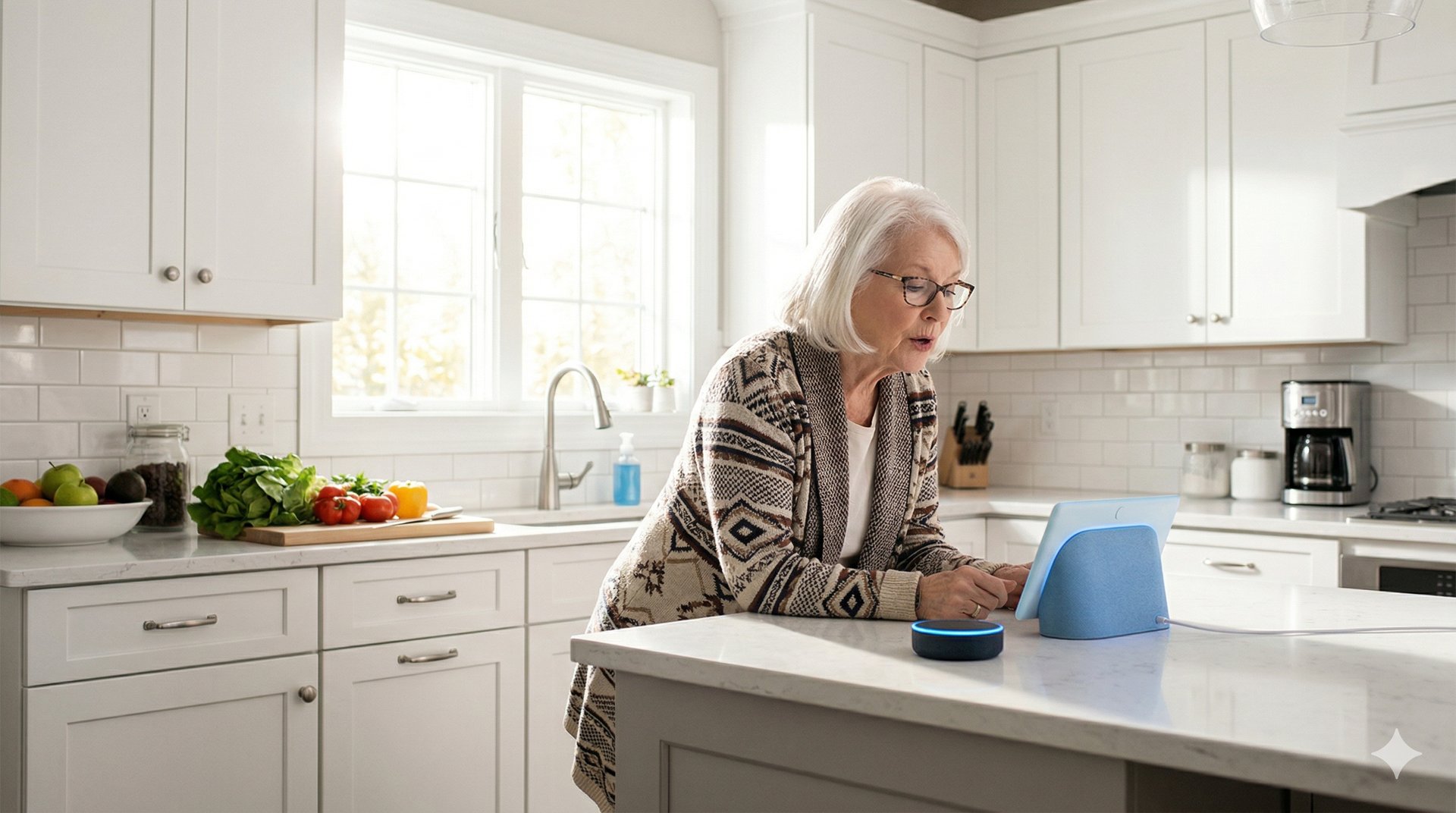
Technology is becoming a bigger part of how families support aging at home.
From medication reminders and voice assistants to motion sensors and smart devices that notice routine changes, more families are asking the same question:
Is this genuinely helpful, or does it cross a line?
It is a fair question.
On one hand, smart technology can bring convenience, consistency, and peace of mind. On the other, families do not want their loved one to feel watched, confused, or less in control in their own home.
That is why this conversation matters.
The goal should never be to make a home feel more clinical. The goal should be to make daily life feel safer, smoother, and more supportive while protecting dignity and trust.
Why families are paying attention to AI at home
As more older adults choose to remain in the homes they know, families are looking for tools that can make that possible for longer.
Some want simple reminders for daily routines. Some want alerts if a door is left open or if movement patterns suddenly change. Some are trying to reduce stress when they cannot be physically present every hour of the day.
That is where AI and smart home tools often enter the conversation.
Families are hearing about products that can:
Remind a loved one about medications or appointments
Make it easier to call family members hands-free
Track basic routines like sleep, movement, or missed meals
Help reduce repeated questions through voice prompts or automated routines
Provide a little more reassurance when family members live far away
The interest makes sense. Families want peace of mind. They want support. They want their loved one to stay home safely without making the space feel cold or intrusive.
What makes families uneasy
Even when technology sounds helpful, concerns are real.
Many families worry about privacy. They worry about whether a loved one truly understands what a device is doing. They worry about cameras inside private spaces. They are concerned that technology will replace, rather than support, human connections.
And sometimes, they worry about introducing something that creates more stress than relief.
If a tool is confusing, too sensitive, hard to manage, or feels invasive, it may not improve daily life at all. It may simply add one more layer of frustration.
That is why the best question is not "What is the newest tool? ”
The better question is, “What would actually help this person feel safer and more comfortable? ”
Helpful tools often feel simple, not flashy
Families do not always need advanced systems.
Sometimes the most useful support is also the easiest to live with.
That might include:
Voice reminders for simple routines
Smart lights that turn on automatically in the evening
Door or entry alerts for wandering concerns
Video doorbells instead of indoor cameras
Easy-to-read tablets or devices for family check-ins
Medication reminders that support consistency without becoming overwhelming
When tools are chosen well, they can reduce stress without taking away independence.
The key is making sure the setup serves the person, not just the family’s anxiety.
Questions to ask before bringing smart tech into the home
Before adding any new device, families should slow down and ask a few honest questions.
Does my loved one want this?
Will this tool make my life easier or simply make me feel better from a distance?
Is it easy to understand and use?
Does it respect privacy in personal spaces?
What happens if the device fails, loses power, or becomes confusing?
Who will manage updates, settings, or troubleshooting?
Can this be introduced gently rather than all at once?
These questions matter because support should feel collaborative, not imposed.
Even if a family member means well, technology works best when the older adult feels respected in the process.
Human care still matters deeply
No device can replace presence.
Technology can support routines, improve communication, and add helpful layers of reassurance. But it cannot replace warmth, companionship, trust, or the emotional comfort of a real person.
That is an important distinction.
The strongest support plans are often not “technology instead of care.” They are “technology plus human care.”
A reminder system may help with timing. A caregiver helps with encouragement, observation, comfort, and real connection.
A sensor may notice movement changes. A trusted person notices mood, habits, and emotional shifts.
Families do not have to choose one or the other. They can build support that blends practical tools with compassionate human presence.
The best technology is the one that protects dignity
When families think about aging in place, it is easy to focus only on safety.
But comfort matters too. Privacy matters. Familiarity matters. Dignity matters.
The best support is not the most high-tech. It is the most respectful.
If a device helps someone feel more independent, more confident, and less overwhelmed, it may be worth exploring. If it creates tension, confusion, or discomfort, it may not be the right fit.
Every family is different. Every home is different. And the right decision should feel calm, thoughtful, and aligned with your loved one’s daily life.

Our Links
Mailing Address
P.O. Box 115 Garden Grove
CA 92842-115