
More Good Days at Home: How In-Home Care Supports Senior Emotional Well-Being
Emotional well-being matters just as much as physical comfort. Learn how non-medical in-home care supports seniors through companionship, routine, confidence, and connection at home.
COMPANIONSHIP
Erlyn A. Pinkston
5/26/20263 min read
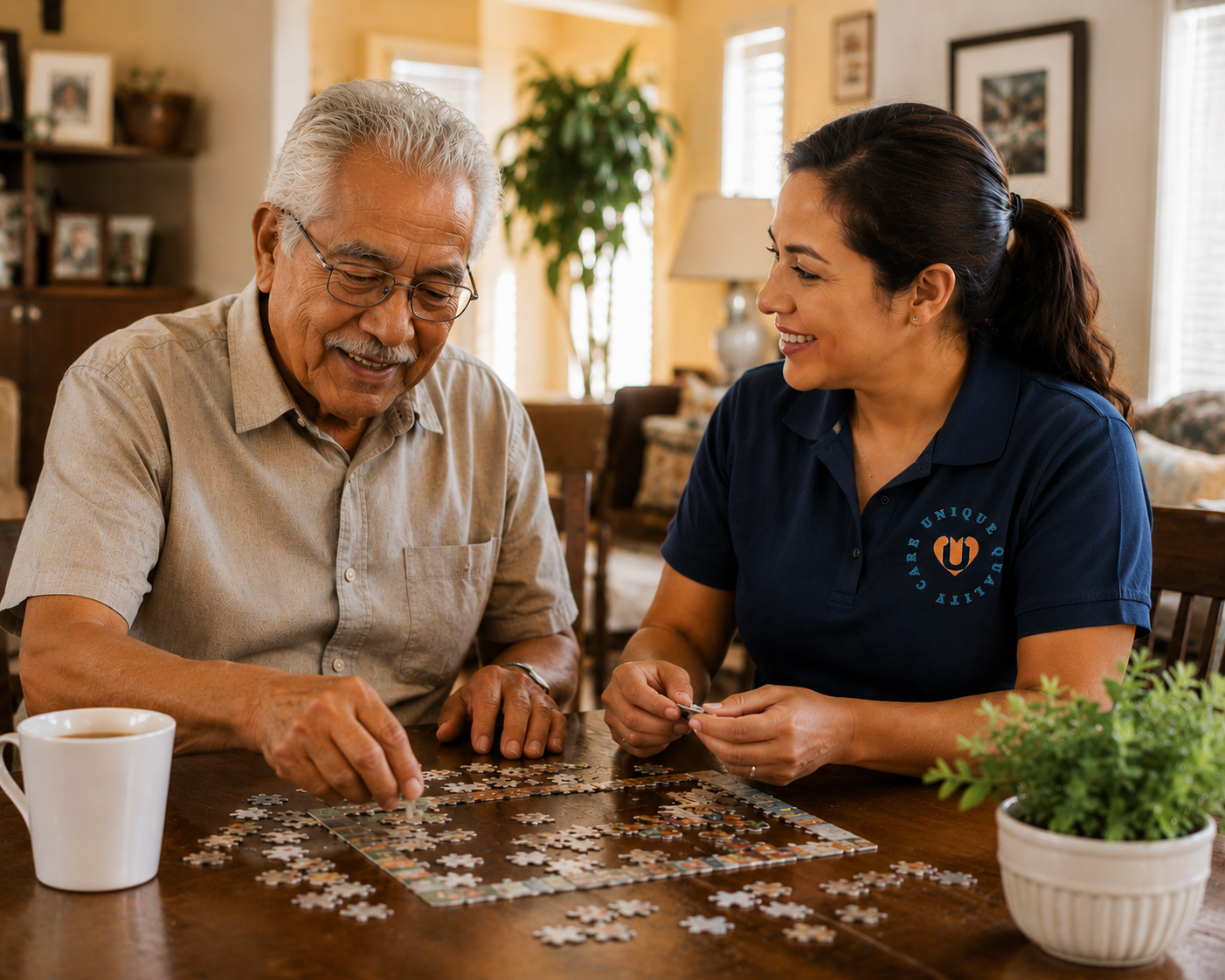
When families think about support for an aging parent, the first concerns are often practical ones. Is Mom eating well? Is Dad safe at home? Is someone checking in often enough?
Those questions are important. But there is another part of well-being that matters just as much: emotional health.
For many older adults, the biggest daily challenge is not always physical. Sometimes it is loneliness. Sometimes it is loss of routine. Sometimes it is the quiet emotional weight of feeling less independent, less connected, or unsure of how life is changing.
That is why good care is about more than tasks. It is also about helping create more good days at home.
Emotional Well-Being Often Shows Up in Everyday Moments
Emotional wellness does not always look dramatic. Often, it appears in simple ways.
A senior who once enjoyed cooking may stop preparing meals.
A parent who used to call regularly may seem quieter than usual.
A loved one may still say they are “fine,” but they seem less engaged, less motivated, or more withdrawn.
These moments can be easy to overlook, especially when families are balancing work, parenting, and other responsibilities. But they matter.
Feeling connected, seen, and supported can make a real difference in a senior’s daily quality of life.
Why Staying at Home Can Be Emotionally Meaningful
Home is more than a place. It holds routines, memories, comfort, and familiarity. For many older adults, remaining at home helps them feel grounded and secure.
That sense of familiarity can support emotional well-being in ways families deeply value. Seniors often feel more at ease when they can wake up in their own room, sit in their favorite chair, and keep the small habits that make life feel normal.
In-home care helps protect that feeling while providing support where it is needed.
The Role of Companionship in Daily Care
Companionship is sometimes underestimated because it sounds simple. In reality, it is one of the most meaningful parts of care.
A warm conversation.
Someone who notices changes in mood.
A steady presence during the day.
Shared meals, light activities, or help with a daily routine.
These moments help reduce feelings of isolation and can make everyday life feel lighter.
For families, companionship also brings reassurance. It helps to know that a loved one is not spending long hours alone without meaningful connection.
Routine Brings Comfort and Confidence
Emotional well-being is often supported by structure. A predictable routine can help seniors feel calmer, more organized, and more confident throughout the day.
That might include:
Waking up and getting ready at a steady time
Having support with meals
Taking short walks or moving safely around the home
Enjoying conversation or favorite activities
Receiving reminders for important daily tasks
When life feels manageable, seniors often feel better emotionally too.
In-Home Care Helps Reduce the Feeling of Being a Burden
Many older adults hesitate to ask for help because they do not want to inconvenience their family. Even when adult children are happy to help, parents may still worry that they are asking for too much.
This is where non-medical in-home care can ease tension for everyone.
A caregiver can provide support in a way that feels respectful, calm, and consistent. Seniors receive help without feeling that every need has to fall on a son, daughter, or spouse. Families gain support without carrying the whole load alone.
That balance can improve emotional well-being on both sides.
Support for the Whole Family Matters
When a senior feels more supported, families often feel the difference too.
Adult children may worry less during the workday.
Family visits may feel more connected and less task-focused.
Conversations can return to being personal, warm, and meaningful rather than centered only on responsibilities.
Care can strengthen the family experience because it creates more room for peace of mind.
What In-Home Emotional Support Can Look Like
Non-medical in-home care can support emotional well-being through the following:
Companionship and conversation
Help maintain daily routines
Support with light activities and engagement
Encouragement with meals and hydration
Gentle assistance that protects dignity and independence
These forms of support may seem small on the surface, but together, they help create a more stable and comforting day-to-day life.
More Good Days Matter
Families do not always need to wait for a major turning point before bringing in support. Sometimes the clearest sign is simply wanting more good days for someone you love.
At Unique Quality Care, we believe care should support not only safety and routine but also comfort, connection, dignity, and peace of mind because emotional well-being is not a small thing. It is part of what helps a person truly feel at home.
If your loved one could benefit from more companionship, daily support, and a reassuring presence at home, Unique Quality Care is here to help with compassionate non-medical in-home care designed to support the whole family.

Our Links
Mailing Address
P.O. Box 115 Garden Grove
CA 92842-115