
How In-Home Care Helps Seniors Stay Independent Longer
Discover how professional in-home care supports aging adults while preserving independence, dignity, and the ability to remain safely in their own homes.
INFORMATIVE
Erlyn A. Pinkston
3/16/20263 min read
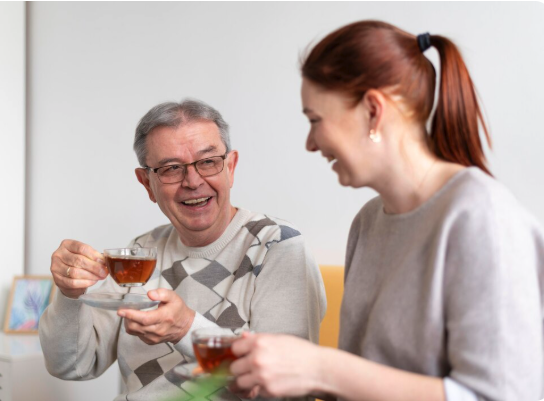
The Truth About Independence: How In-Home Care Helps Seniors Stay in Their Own Homes
For many older adults, independence is deeply personal.
It represents freedom, dignity, and the ability to make choices about daily life. From preparing a favorite meal to enjoying a quiet morning routine, these small moments of control shape how seniors experience aging.
Yet as health needs evolve, families often worry that accepting help means giving up that independence.
In reality, the opposite is often true.
Professional in-home care is designed not to replace independence but to protect it.
With the right support, many seniors can remain safely in the homes they love while maintaining control over their daily lives.
Why Independence Matters So Much to Seniors
Home is more than a physical space. It holds memories, routines, and familiarity that provide emotional comfort.
When seniors remain in their own homes, they often experience:
• Greater confidence
• Reduced stress and anxiety
• Stronger emotional well-being
• A deeper sense of identity and purpose
Losing independence can feel like losing part of oneself. This is why many older adults resist the idea of “care” at first.
But modern in-home care isn’t about taking over—it's about supporting what seniors can still do for themselves.
The Difference Between Assistance and Dependence
One of the biggest misconceptions families have is that care means full dependency.
In reality, most in-home care services are collaborative.
Caregivers help with tasks that may have become difficult while encouraging seniors to stay active in the parts of daily life they still enjoy.
For example, a caregiver might:
• Assist with grocery shopping while the senior chooses the meals
• Provide support with bathing while respecting privacy and dignity
• Help with housekeeping so energy can be saved for hobbies and social time
• Provide transportation so seniors can stay connected to their community
Rather than removing independence, these supports remove barriers that threaten it.
How In-Home Care Extends Safe Independence
Professional caregivers provide structured support that helps seniors stay safe at home longer.
Some of the most impactful ways include:
Daily Living Assistance
Simple tasks like dressing, bathing, or meal preparation can become challenging with age.
With gentle assistance, seniors can continue their routines without feeling overwhelmed.
Medication Support
Managing prescriptions correctly is essential for health and stability.
Caregivers help ensure medications are taken safely and on schedule, reducing risks that could lead to hospital visits or sudden health declines.
Mobility and Fall Prevention
Falls are one of the biggest threats to independence in older adults.
Caregivers assist with safe movement around the home, reducing the likelihood of injuries that could result in hospitalization or long-term care placement.
Social and Emotional Engagement
Isolation can quietly erode independence.
Companionship from caregivers provides conversation, emotional support, and encouragement to remain active—all of which contribute to healthier aging.
The Emotional Relief Families Experience
Families often carry an invisible burden when caring for aging parents.
They worry about safety, medication schedules, and whether their loved one is feeling lonely during the day.
Introducing in-home care can bring an enormous sense of relief.
Instead of trying to manage everything alone, families gain a trusted partner who helps ensure their loved one is supported, safe, and engaged.
Most importantly, relationships can return to what they were meant to be—family, not full-time caregivers.
Independence Doesn’t Mean Doing Everything Alone
One of the most empowering truths about aging is that independence does not require isolation.
In fact, the strongest form of independence often includes accepting the right support at the right time.
In-home care allows seniors to remain in familiar surroundings while receiving assistance that enhances their quality of life.
With compassionate support and thoughtful routines, many older adults can continue enjoying the comfort of home for years to come.
Aging at Home Is Possible With the Right Support
Growing older does not have to mean leaving behind the place that feels most familiar.
With professional in-home care, seniors can maintain dignity, safety, and the freedom to live life on their own terms.
For many families, it becomes the bridge between independence and peace of mind.
And sometimes, that balance makes all the difference.

Our Links
Mailing Address
P.O. Box 115 Garden Grove
CA 92842-115