
Honoring Women in Caregiving: The Heart of Senior Care
Discover the powerful role women play in caregiving for seniors. This International Women’s Day, we honor daughters, mothers, nurses, and caregivers who support aging loved ones every day.
RELATIONSHIPS
Erlyn A. Pinkston
3/9/20263 min read
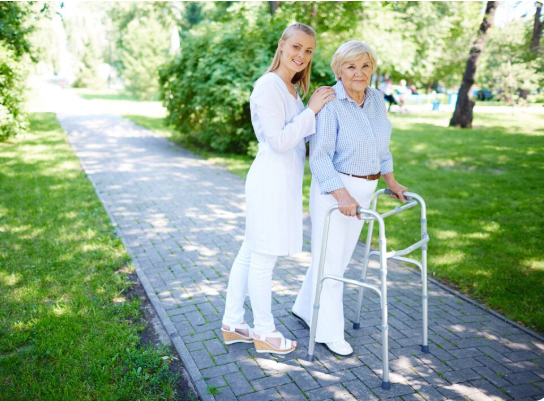
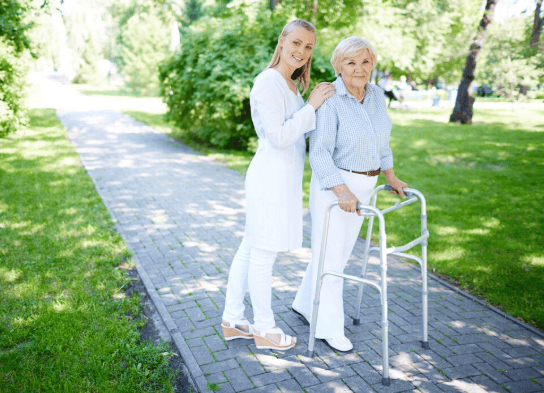
Honoring Women in Caregiving: The Heart Behind Senior Care
Every day, millions of quiet acts of care happen behind closed doors.
A daughter reminds her mother to take her medication.
A caregiver gently helps a senior out of bed in the morning.
A wife sits beside her husband during another long medical appointment.
These moments rarely make headlines, yet they hold families together.
As we celebrate International Women’s Day, it’s important to recognize one group whose contributions often go unnoticed: the women who provide care for aging loved ones.
Across homes, communities, and professional care settings, women are the heartbeat of caregiving.
The Invisible Workforce of Care
Caregiving is one of the most meaningful forms of support a person can offer. Yet it is also one of the most emotionally and physically demanding roles.
Globally, women make up the majority of caregivers. They serve as:
• Daughters caring for aging parents
• Wives supporting spouses with chronic illness
• Nurses and home care aides
• Professional caregivers in senior communities
• Family members coordinating appointments, medications, and daily routines
Often, these responsibilities are balanced alongside careers, raising children, and managing households.
Caregiving becomes another full-time job—one rooted in love, patience, and resilience.
Why Women Often Step Into the Caregiving Role
While every family is different, cultural expectations and family dynamics often place caregiving responsibilities on women.
Many women feel a deep sense of responsibility when a loved one begins to struggle with aging-related challenges. They naturally step in to help with tasks such as
• Managing medications
• Scheduling doctor visits
• Preparing meals
• Assisting with mobility or hygiene
• Providing emotional support
For many families, caregiving begins gradually—a ride to a doctor’s appointment, help with grocery shopping, or checking in after work.
Over time, those small acts can evolve into daily responsibilities.
The Emotional Side of Caregiving
Caregiving is deeply personal. When you care for someone you love, every setback can feel heavy.
Many women experience a mix of emotions while supporting aging family members:
• Compassion and devotion
• Stress and exhaustion
• Guilt when they feel overwhelmed
• Fear of making the wrong decisions
Even when caregiving comes from love, it can still be incredibly difficult.
Acknowledging these emotions is important. Caregivers deserve compassion too.
Professional Women Caregivers Make a Difference Every Day
Beyond family caregiving, thousands of professional caregivers dedicate their lives to supporting seniors.
In-home caregivers play an essential role in helping older adults remain safe, comfortable, and independent in familiar surroundings.
These professionals assist with:
• Personal care and hygiene
• Meal preparation and nutrition
• Medication reminders
• Companionship and emotional support
• Mobility assistance and fall prevention
Their work goes beyond physical tasks. Many caregivers build meaningful relationships with the seniors they support, offering reassurance, kindness, and dignity in everyday moments.
For families navigating aging care, these caregivers become trusted partners.
Why Caregivers Need Support Too
Caregiving can be rewarding, but it should never be done alone.
Many women hesitate to ask for help because they feel it is their responsibility to manage everything themselves. Over time, however, this can lead to exhaustion and burnout.
Seeking support is not a sign of failure—it is a way to protect both the caregiver and the person receiving care.
In-home care services can provide families with:
• Respite for family caregivers
• Additional supervision for safety
• Professional support for daily care routines
• Peace of mind for loved ones
When caregiving becomes a shared effort, everyone benefits.
A Moment to Say Thank You
This International Women’s Day, take a moment to recognize the women who care for others every day.
They are daughters, mothers, spouses, nurses, and caregivers.
They show up in quiet ways—preparing meals, offering comfort, guiding loved ones through difficult days, and creating safe environments where seniors can age with dignity.
Their work may not always be visible, but its impact is immeasurable.
Caregiving is not just a responsibility.
It is an act of compassion that strengthens families, communities, and generations.
And today, we honor the women who carry that responsibility with grace.

Our Links
Mailing Address
P.O. Box 115 Garden Grove
CA 92842-115