
Caring for Those Who Served: Supporting Aging Veterans at Home
This Veterans Day Week, Unique Quality Care honors the heroes who once served our nation—and the caregivers who now serve them. Learn how in-home care supports aging veterans by addressing their physical, emotional, and daily needs while helping them maintain independence and dignity at home.
INFORMATIVE
Erlyn A. Pinkston
11/10/20252 min read
Each November, as flags wave and communities unite to honor our nation’s heroes, we’re reminded that service doesn’t end when a uniform is retired. For many veterans, the transition from active duty to everyday life comes with new challenges—some physical, others emotional—and that’s where caregivers step in.
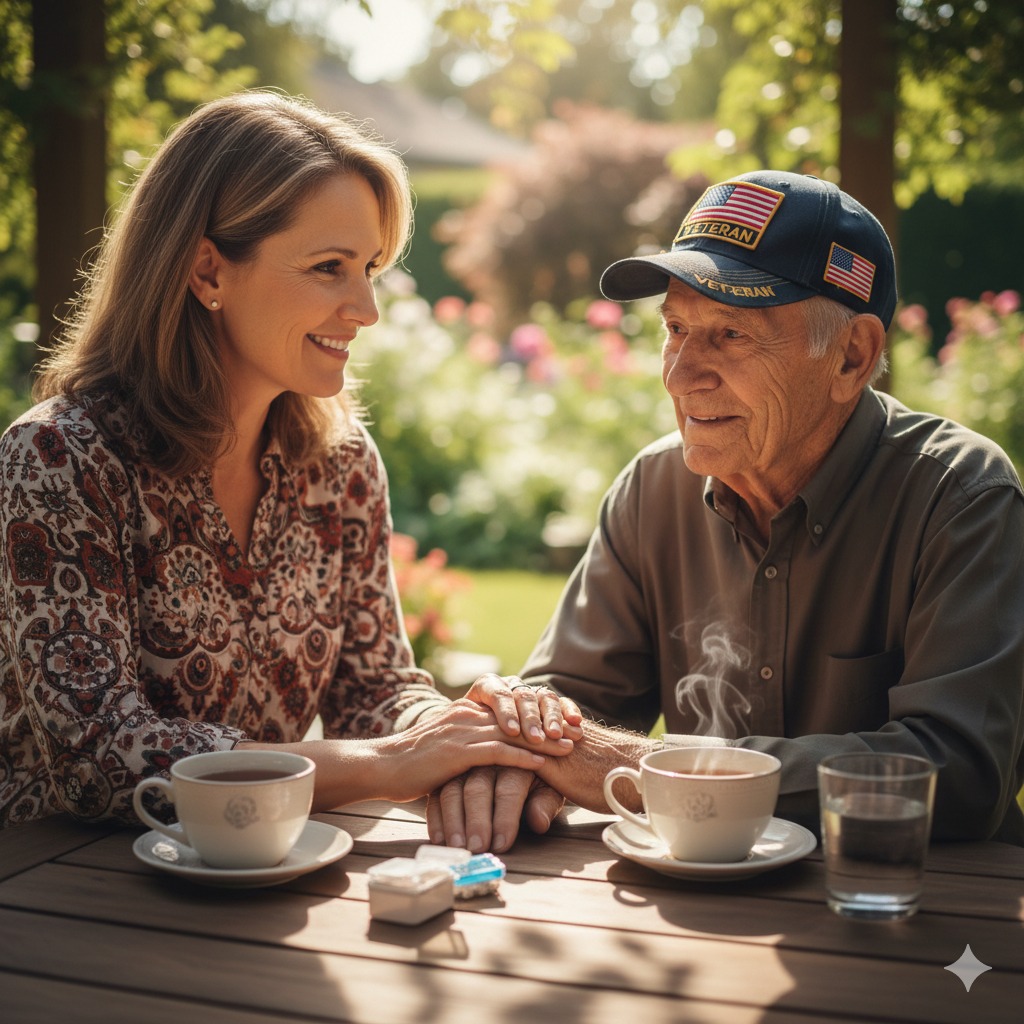
Behind every veteran is often a spouse, child, or family member who continues to serve in a different way: through caregiving, companionship, and unconditional love. At Unique Quality Care, we believe that supporting veterans at home isn’t just about meeting daily needs—it’s about honoring their dignity, preserving their independence, and acknowledging the sacrifices they’ve made for us all.
Understanding the Unique Needs of Aging Veterans
Veterans may face specific health challenges tied to their service experiences, including:
Physical Injuries or Mobility Issues – Injuries sustained during service can affect mobility and increase fall risks, requiring assistance with movement, bathing, or dressing.
Chronic Conditions – Long-term exposure to physical stress can contribute to conditions such as arthritis, heart disease, or diabetes.
Emotional and Psychological Effects – Many veterans experience PTSD, anxiety, or depression, which can affect communication and daily interactions.
Cognitive Decline – Veterans are not immune to conditions such as Alzheimer’s or dementia, which require patient, compassionate, and consistent care.
These challenges highlight the need for personalized in-home support that balances safety, emotional comfort, and respect.
How In-Home Care Makes a Difference
For veterans who wish to age in the comfort of their own homes, in-home care services can provide stability, familiarity, and companionship. Caregivers can help with:
Personal care (bathing, grooming, dressing) while maintaining dignity
Meal preparation and medication reminders to support health routines
Mobility assistance and fall prevention for safety at home
Companionship that combats isolation and fosters trust
Transportation for appointments, errands, or community events
By tailoring care to individual needs, in-home caregivers help veterans maintain independence while ensuring they feel valued and supported.
Supporting the Caregivers Behind the Heroes
Family caregivers of veterans face unique pressures. Many juggle full-time jobs, family responsibilities, and the emotional weight of supporting someone who once supported a nation.
If you’re a caregiver for a veteran:
Ask for help when needed. You don’t have to do it alone—seek professional in-home care support for respite and balance.
Stay connected. Join local or online caregiver support groups, such as those offered by the VA or Family Caregiver Alliance.
Prioritize your well-being. Rest, recharge, and remember that your care is a gift—but you deserve care, too.
A Shared Mission of Love and Respect
This Veterans Week, we honor not only the veterans who served our country but also the caregivers who serve them every day—with patience, grace, and compassion. Together, they remind us that service doesn’t stop at the battlefield—it continues in living rooms, kitchens, and quiet moments of care.
At Unique Quality Care, we’re proud to stand beside families as they care for their heroes—ensuring that every veteran receives the respect, comfort, and independence they deserve in the place they call home.

Our Links
Mailing Address
P.O. Box 115 Garden Grove
CA 92842-115