
Caregiver Appreciation: Honoring the Heroes of Home Care
Caregiver appreciation matters. Discover why recognizing family and professional caregivers improves senior well-being and reduces burnout.
RELATIONSHIPS
Erlyn A. Pinkston
2/17/20262 min read

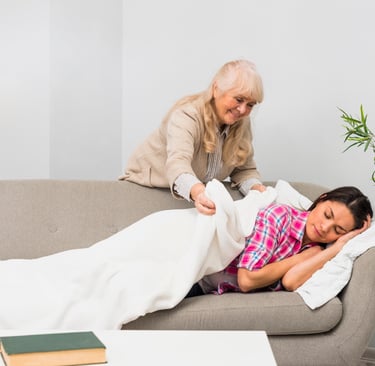
There’s a kind of love that rarely makes headlines.
It doesn’t come with applause. It doesn’t trend on social media. It often happens quietly—early in the morning before the house wakes up or late at night when everyone else has gone to bed.
It’s the love of a caregiver.
Whether it’s a daughter managing medications between work meetings, a spouse helping with mobility after surgery, or a professional caregiver showing up day after day with steady patience, caregiving is one of the most powerful—and overlooked—acts of devotion there is.
This month, as conversations about love and connection continue beyond Valentine’s Day, it feels especially important to ask:
Who is taking care of the caregiver?
The Invisible Weight Caregivers Carry
Caregivers are often described as “strong,” “selfless,” and “reliable.” And they are. But strength does not mean invincible.
Behind the calm exterior, many caregivers are juggling:
Medication schedules and doctor’s appointments
Financial decisions and insurance paperwork
Emotional support during moments of fear or confusion
Their own jobs, children, and responsibilities
The emotional load can be just as heavy as the physical one. There’s the constant “what if” thinking. The guilt when stepping away. The quiet worry about making a mistake.
And yet, most caregivers rarely pause long enough to acknowledge how much they are carrying.
Why Appreciation Isn’t a Luxury—It's a Necessity
Appreciation isn’t about grand gestures. It’s about recognition.
When caregivers feel seen and valued, something shifts. Stress softens. Energy renews. Compassion deepens.
Research consistently shows that emotional support reduces burnout and improves overall well-being. When caregivers feel appreciated, they’re more resilient, more patient, and better able to provide safe, loving care.
In other words, appreciating caregivers doesn’t just uplift them—it strengthens the entire care experience.
Signs a Caregiver May Need Support
Sometimes appreciation begins with awareness. If you notice a caregiver in your life experiencing:
Increased irritability or emotional withdrawal
Constant fatigue, even after rest
Difficulty concentrating
Loss of interest in things they once enjoyed
It may be time to check in.
Not with advice. Not with solutions.
But with simple acknowledgment.
“I see how hard you’re working.”
“I appreciate everything you’re doing.”
“You don’t have to carry this alone.”
Those words matter more than we realize.
Small Ways to Show Caregiver Appreciation
Appreciation doesn’t have to cost money. It costs attention.
Here are a few meaningful ways families and communities can show support:
Offer a few hours of respite so they can rest
Write a handwritten note acknowledging their effort
Handle one task without being asked
Bring a warm meal or coffee
Simply ask, “How are you doing? ” and truly listen
Even professional caregivers benefit from recognition. A kind review, a thank-you card, or verbal acknowledgment can make a demanding week feel lighter.
A Gentle Reminder for Caregivers
If you are a caregiver reading this, pause for a moment.
Your work matters.
The routines you maintain. The patience you show. The late-night worries. The quiet strength.
It matters.
You are not “just helping.” You are protecting dignity. You are preserving comfort. You are sustaining love in its most practical form.
And you deserve care, too.
Love That Deserves to Be Seen
Caregiving may be quiet, but it is never small.
This month, let’s move beyond flowers and greeting cards. Let’s celebrate the everyday heroes who show up—not for praise, but because someone they love needs them.
Caregiver appreciation isn’t seasonal. It’s essential.
At Unique Quality Care, we honor the courage it takes to care for others—and the strength it takes to admit when you need support yourself.
Because when caregivers are supported, everyone benefits.

Our Links
Mailing Address
P.O. Box 115 Garden Grove
CA 92842-115