
Building Trust Between Caregivers and Families: Why It Matters
Trust is the foundation of compassionate care. This blog explores how caregivers and families can work together to build strong, respectful relationships that enhance the quality of care and ensure peace of mind.
INFORMATIVE
Erlyn A. Pinkston
11/17/20252 min read
Inviting a caregiver into your home is one of the most personal decisions a family can make. It’s not just about finding someone who can help with daily tasks — it’s about welcoming a person who will share in life’s most intimate moments, from morning routines to heartfelt conversations.
At the heart of every successful caregiving relationship is trust. When trust exists between caregivers and families, it transforms care from a routine service into a genuine partnership built on respect, understanding, and compassion.
The Foundation of Compassionate Care
For seniors and their families, care is deeply personal. Many older adults may feel vulnerable about needing help, while family members may experience guilt or anxiety about entrusting that care to someone outside the family.
This is where trust becomes essential. It allows seniors to feel safe receiving support and gives families peace of mind knowing their loved one is being cared for with dignity and professionalism.
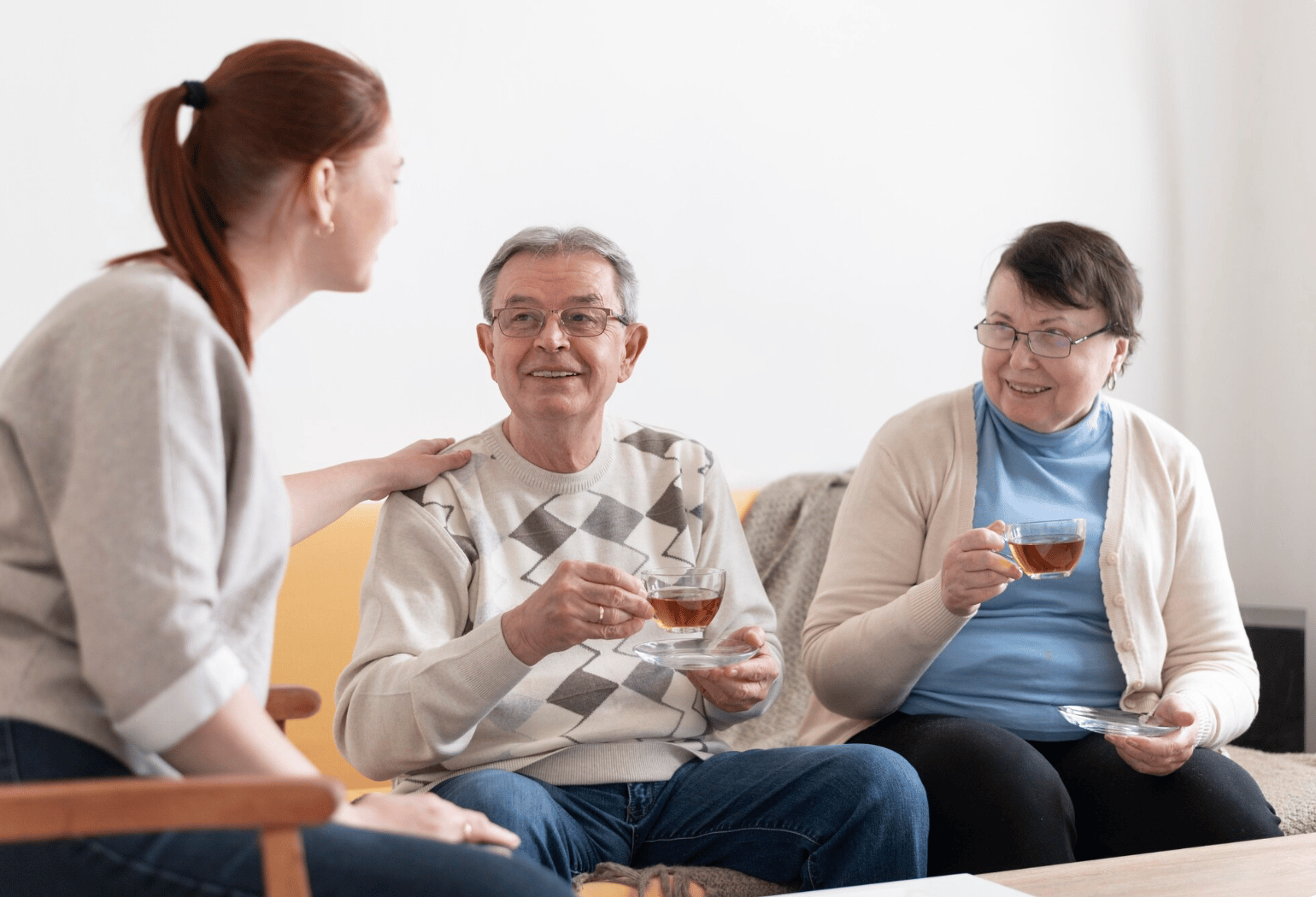
At Unique Quality Care, we believe that trust is earned through consistency, empathy, and open communication. Every act of kindness — from a caregiver remembering a client’s favorite tea to handling tasks with patience — strengthens that bond.
How Caregivers Build Trust Day by Day
Caregivers play a vital role in creating a sense of security and emotional connection. Here’s how trust is nurtured in daily care:
Reliability Matters: Showing up on time, following through on tasks, and maintaining professionalism establish confidence and predictability.
Empathy First: Listening without judgment, validating feelings, and showing patience help clients feel seen and valued.
Respect for Independence: Encouraging seniors to make choices — even small ones like what to wear or eat — preserves autonomy and dignity.
Communication is Key: Regular updates to family members build transparency and reduce worry, especially when loved ones can’t always be present.
Trust doesn’t develop overnight — it’s built slowly, through small, genuine moments that reflect care and understanding.
Why Families Play an Important Role
Trust is a two-way relationship. When families take an active role in the caregiving process, it strengthens collaboration and ensures the best outcomes for their loved ones.
Be Open: Share your loved one’s routines, preferences, and personality quirks. These details help caregivers personalize care.
Offer Feedback: Constructive conversations foster improvement and understanding.
Show Appreciation: A simple “thank you” or kind gesture can boost a caregiver’s morale and deepen mutual respect.
When caregivers and families work together, everyone benefits — most importantly, the person receiving care.
A Partnership Rooted in Respect
At Unique Quality Care, we understand that caregiving is about relationships, not just responsibilities. Our caregivers are trained not only in skillful assistance but also in emotional connection — because true care extends beyond tasks to touch the heart.
Every smile shared, every routine remembered, and every moment handled with compassion builds a foundation of trust that transforms caregiving into something more: a partnership of respect, empathy, and understanding.

Our Links
Mailing Address
P.O. Box 115 Garden Grove
CA 92842-115