
Aging with Autism: The Transition No One Talks About
Learn how routines, sensory comfort, and trust can support older autistic adults and their families at home with more compassion and less overwhelm.
PERSONALIZED CARE
Erlyn A. Pinkston
4/27/20263 min read
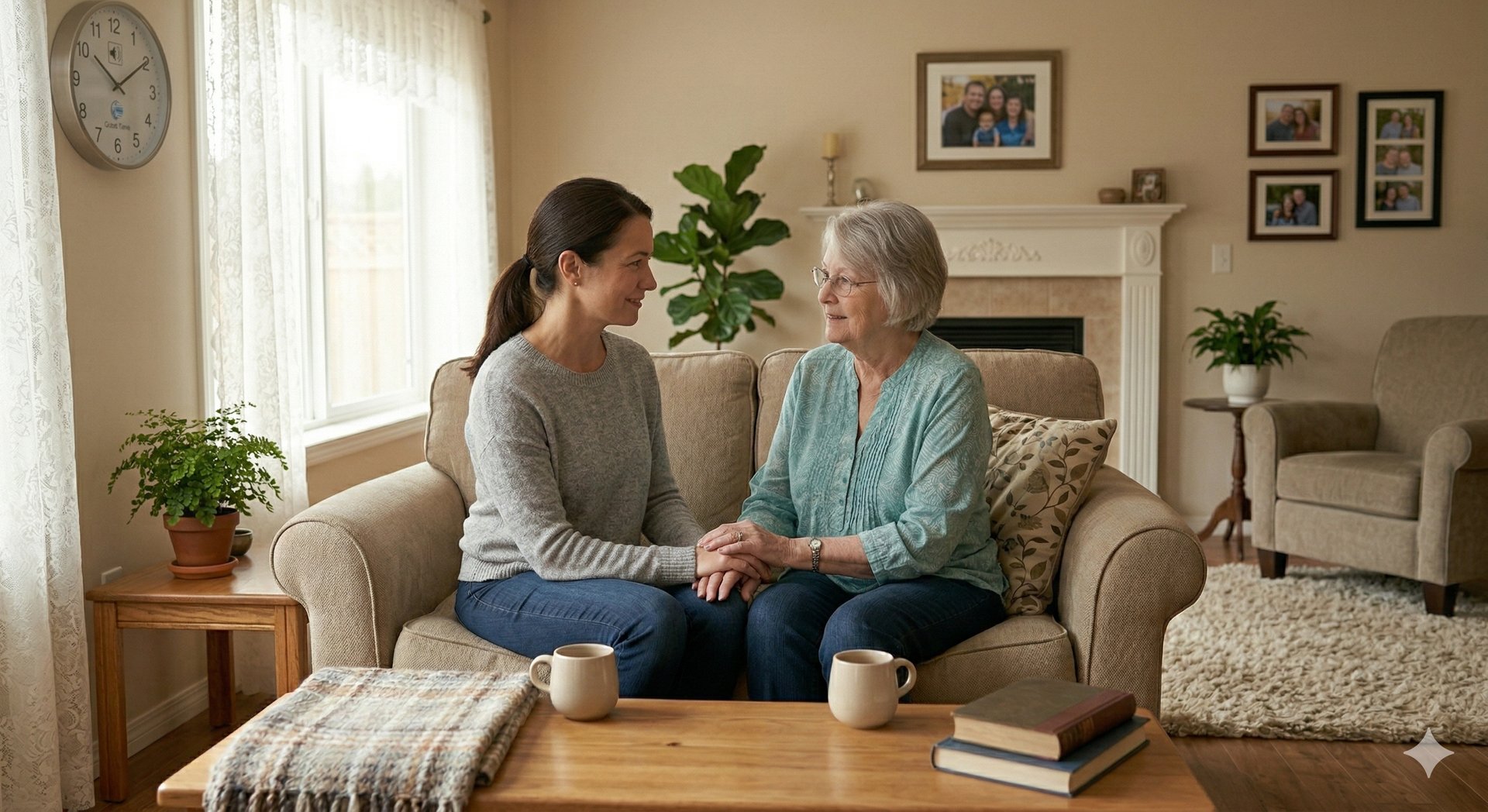

Some care conversations are common.
Families hear plenty about fall prevention, memory support, and daily assistance as loved ones grow older.
What families hear less often is this:
How do you support an autistic adult as they age?
For some families, this question has been present for years. They may already understand how important routine, trust, sensory comfort, and predictability are in daily life.
For others, the situation may feel less clear. They may be supporting an older adult whose needs were never fully understood earlier in life. Or they may be noticing that a loved one who has long depended on familiar rhythms is finding change harder to manage as aging brings new challenges.
Either way, this transition deserves more attention than it gets.
Why this conversation is often missed
Aging and autism are too often discussed separately.
That leaves many families trying to figure things out on their own.
When support conversations focus only on age-related changes without considering sensory needs, communication preferences, or resistance to disrupted routines, care can feel mismatched right away.
Families may notice that something “small” causes far more distress than expected.
A change in schedule. A new person in the home. A different tone of voice. Rearranged items. Unexpected touch. Too much noise. Too many instructions at once.
These details matter.
For many autistic adults, comfort is not simply about preference. It is closely tied to regulation, trust, and feeling safe.
Why transitions can feel especially difficult
Change is hard for many people, but for autistic adults, change can feel deeply unsettling when it is sudden, poorly explained, or sensory-heavy.
As aging brings new support needs, families may be trying to introduce:
New routines
New helpers
Different mealtimes
Mobility support
More appointments
Changes in the home environment
Greater dependence on others
Even when these changes are well-intended, they can feel overwhelming if they are introduced too quickly.
What families often need is not a bigger intervention. It is a gentler one.
What supportive care can look like at home
The best support is rarely forceful.
It is steady, respectful, and observant.
For older autistic adults, that may mean:
Keeping routines as consistent as possible
Explaining changes clearly and ahead of time
Avoiding rushed, loud, or overly busy interactions
Learning what sensory factors create comfort or distress
Supporting independence wherever possible
Building trust slowly rather than expecting instant familiarity
Paying attention to patterns, not just tasks
Care should not feel like something happening to a person. It should feel like something thoughtfully built around them.
That is one reason in-home care can be such a meaningful option for some families. Home is already familiar. The environment is more controllable. Routines can often be protected more easily than in a busier outside setting.
Small details can make home feel calmer
Families do not always need dramatic changes.
Sometimes the most helpful shifts are the simplest ones.
A predictable morning routine. Lower noise levels—fewer last-minute surprises. Clear transitions. Consistent caregivers. Familiar objects stay in familiar places.
These details may seem minor to others, but they can make daily life feel far more manageable.
They can also reduce stress for family caregivers who are trying to prevent friction without always knowing why a routine is falling apart.
When families understand that comfort, trust, and sensory ease are part of care, everything begins to feel a little clearer.
Support should protect dignity
Older autistic adults deserve care that honors who they are, not care that tries to erase or override their needs.
That means taking time to understand how they communicate, what helps them feel secure, and where independence should be protected.
It also means being careful not to assume that every support need should look the same from one person to the next.
The right care plan is personal.
It should reflect the individual, the home, the family dynamic, and the pace at which trust can grow.
Families do not have to navigate this alone
If your family has felt like this topic is rarely discussed, you are not imagining it.
Many people are trying to navigate this transition without enough practical guidance or emotional support.
But that does not mean you have to carry it alone.
With patience, observation, and respectful support, home can continue to feel safe, familiar, and dignified, even as needs change.
And that kind of care matters deeply.

Our Links
Mailing Address
P.O. Box 115 Garden Grove
CA 92842-115